Heart failure is one of the most serious and underdiagnosed complications of diabetes. Many patients live with the condition without knowing it, their symptoms dismissed or attributed to other causes, while the disease quietly progresses.
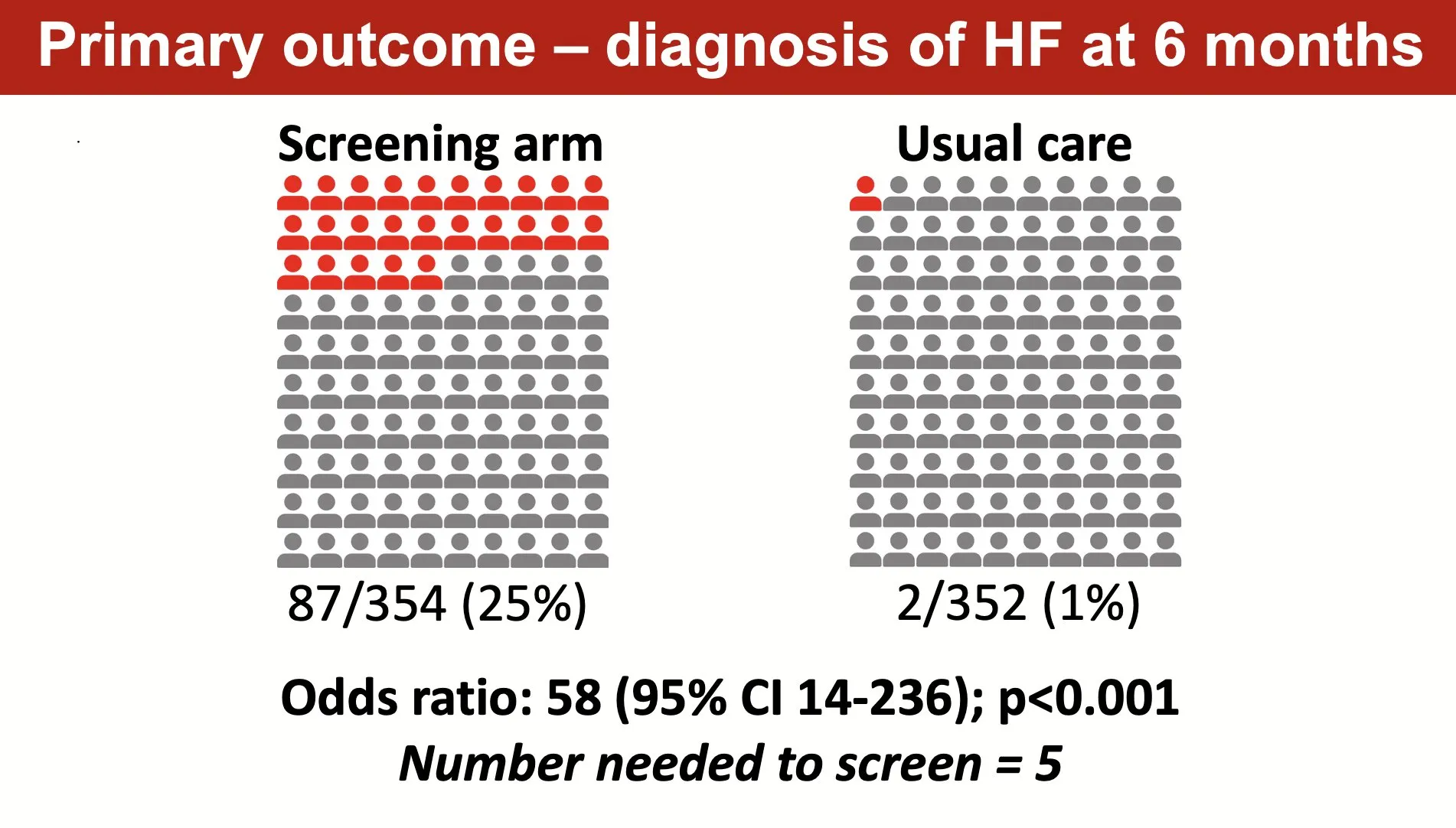
New results from the TARTAN-HF trial, presented as a late-breaking featured science presentation at the American College of Cardiology (ACC) Annual Scientific Session 2026 in New Orleans, put a striking number to this problem: 1 in 4 high-risk patients with diabetes had undiagnosed heart failure, detected only because they were screened.
The Study
TARTAN-HF (Targeted Assessment in High-Risk Patients with Diabetes to Identify Undiagnosed Heart Failure) is a prospective, multicentre, randomised controlled trial conducted in Scotland. Over 700 community-based patients with diabetes and at least one additional risk factor for heart failure were enrolled and randomised either to a structured screening strategy or to routine care.
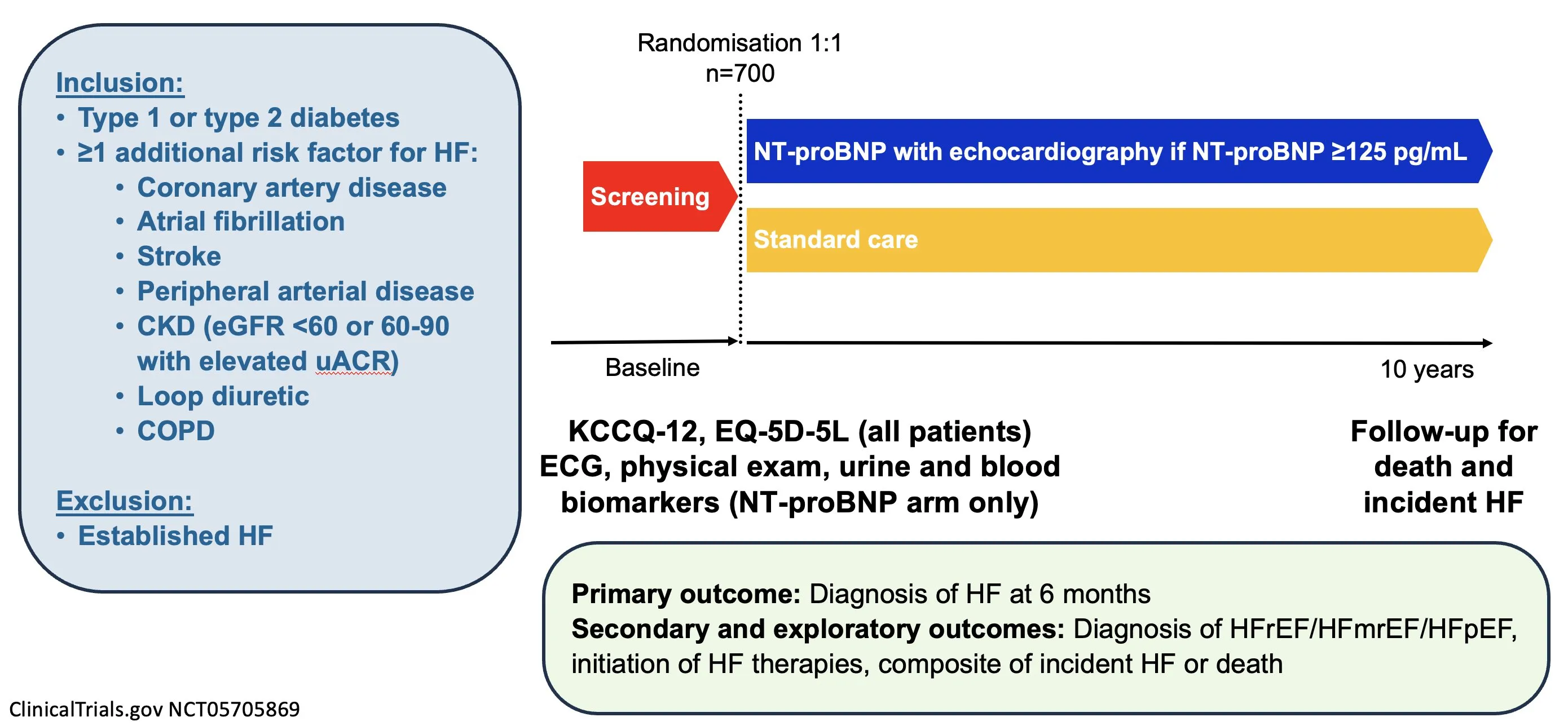
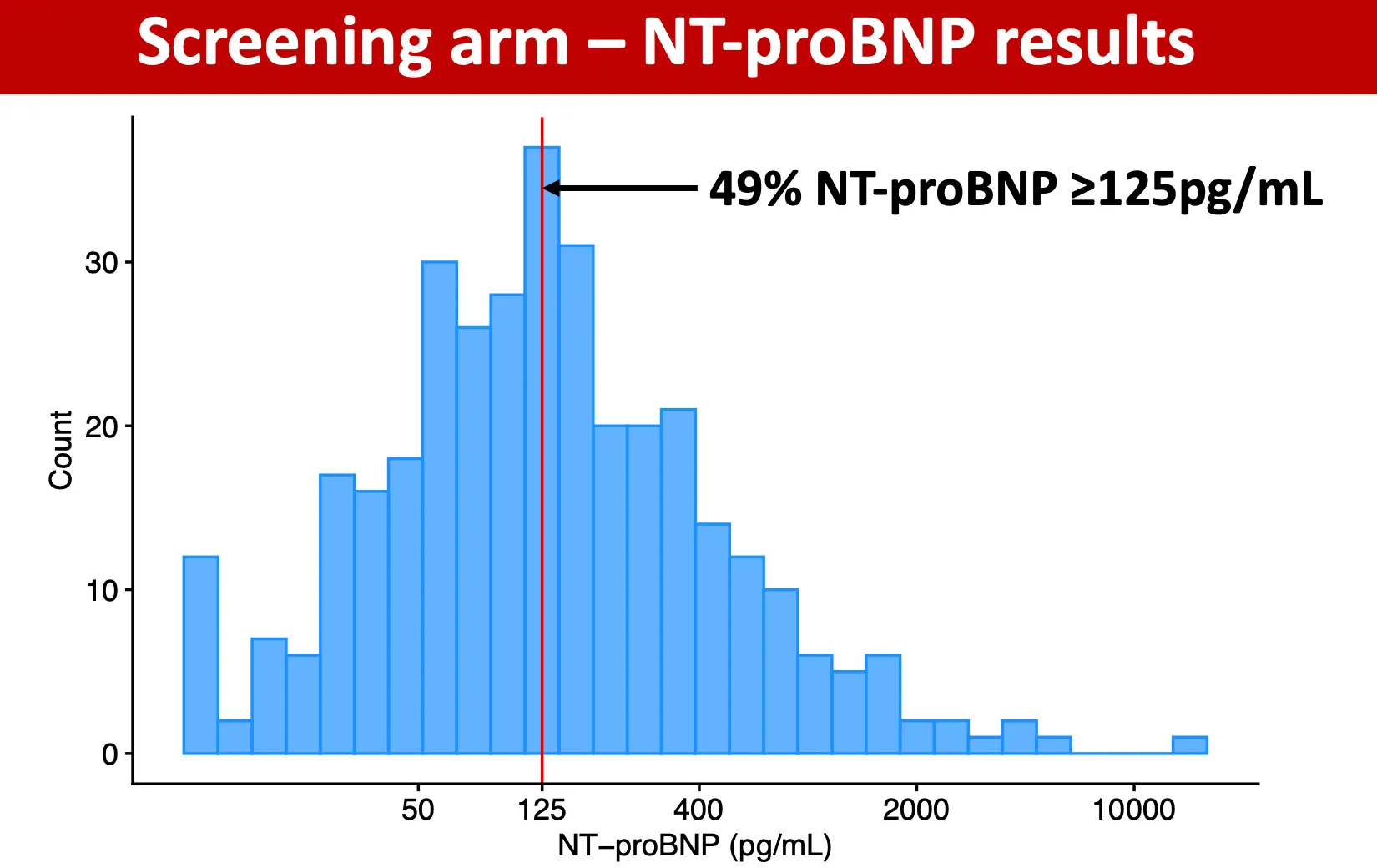
The screening strategy was intentionally simple and clinically practical. Participants first underwent an NT-proBNP blood test, a widely available marker of cardiac stress. Those with a result of 125 pg/mL or above, which accounted for 49% of the screening arm, then proceeded to echocardiography for further evaluation.
What They Found
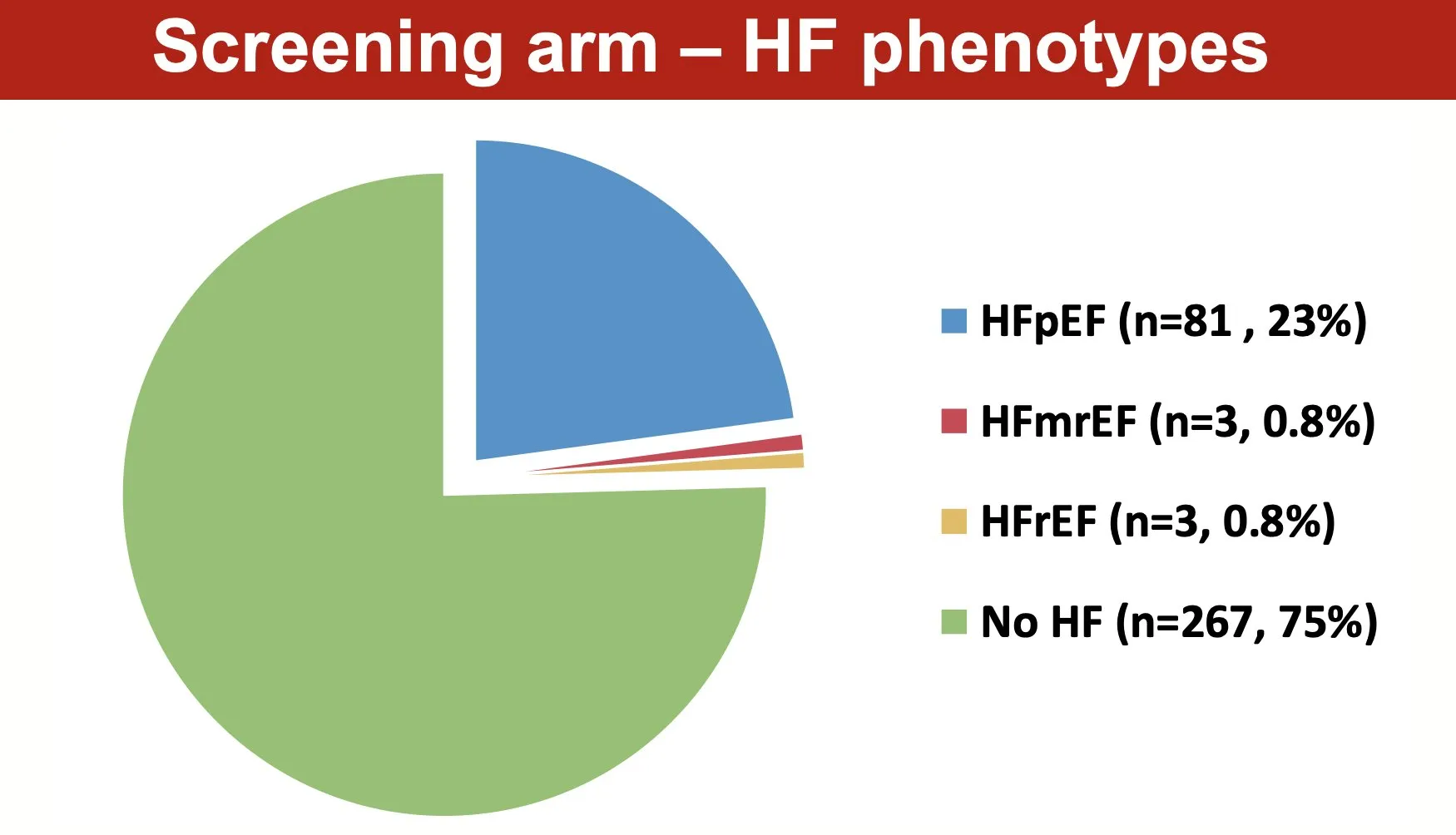
The results were compelling. Of the 354 patients who went on to have an echocardiography, 87 cases of previously unrecognised heart failure were identified, representing a prevalence of 25%:
- 81 cases of HFpEF
- 3 cases of HFmrEF
- 3 cases of HFrEF
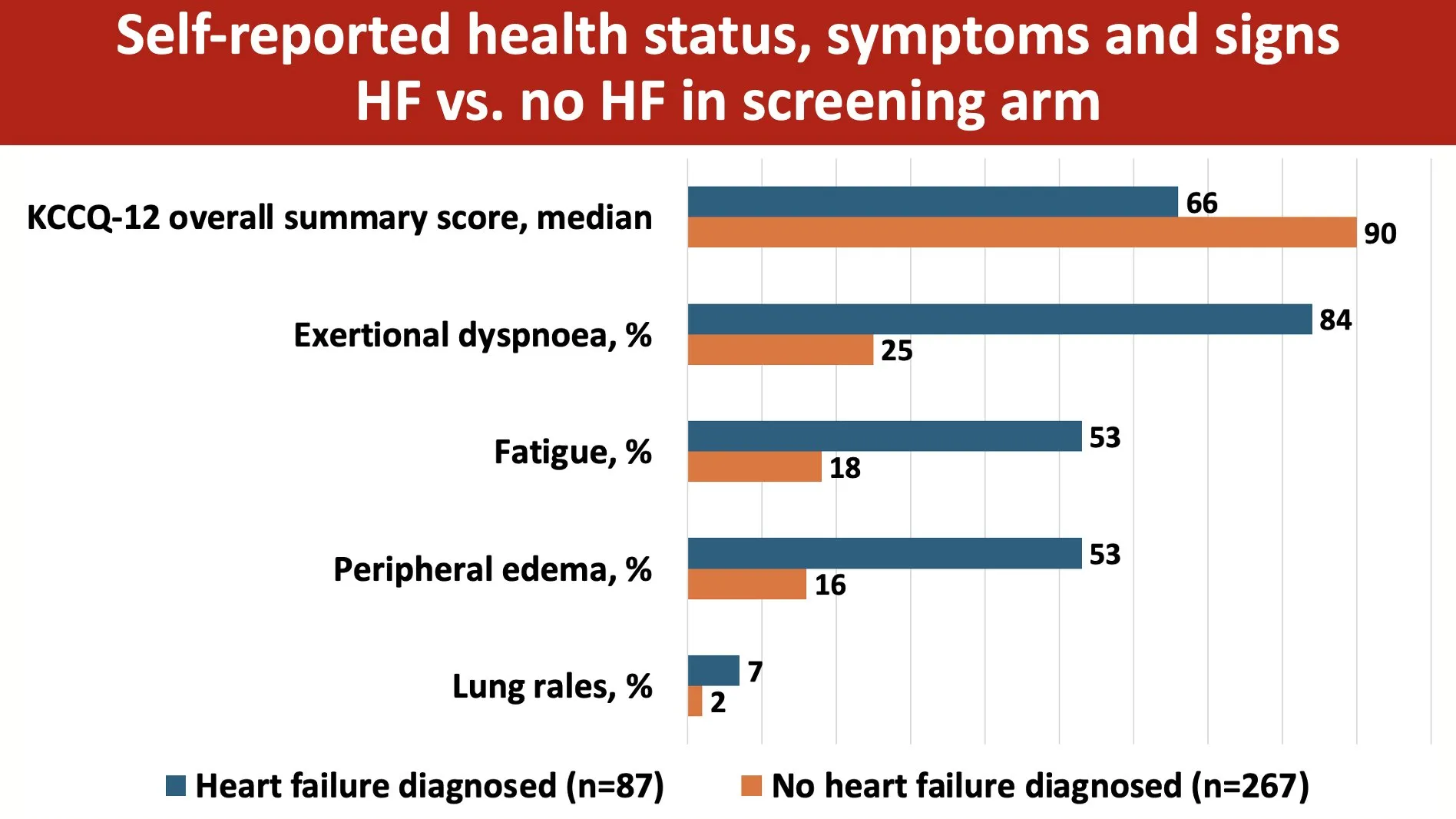
These were not patients in hospital. They were living in the community, largely unaware of their condition. Yet when their health status was assessed, patients with unrecognised heart failure had a median KCCQ-12 score of just 66, reflecting substantially impaired quality of life compared to a median of 90 in those without heart failure.
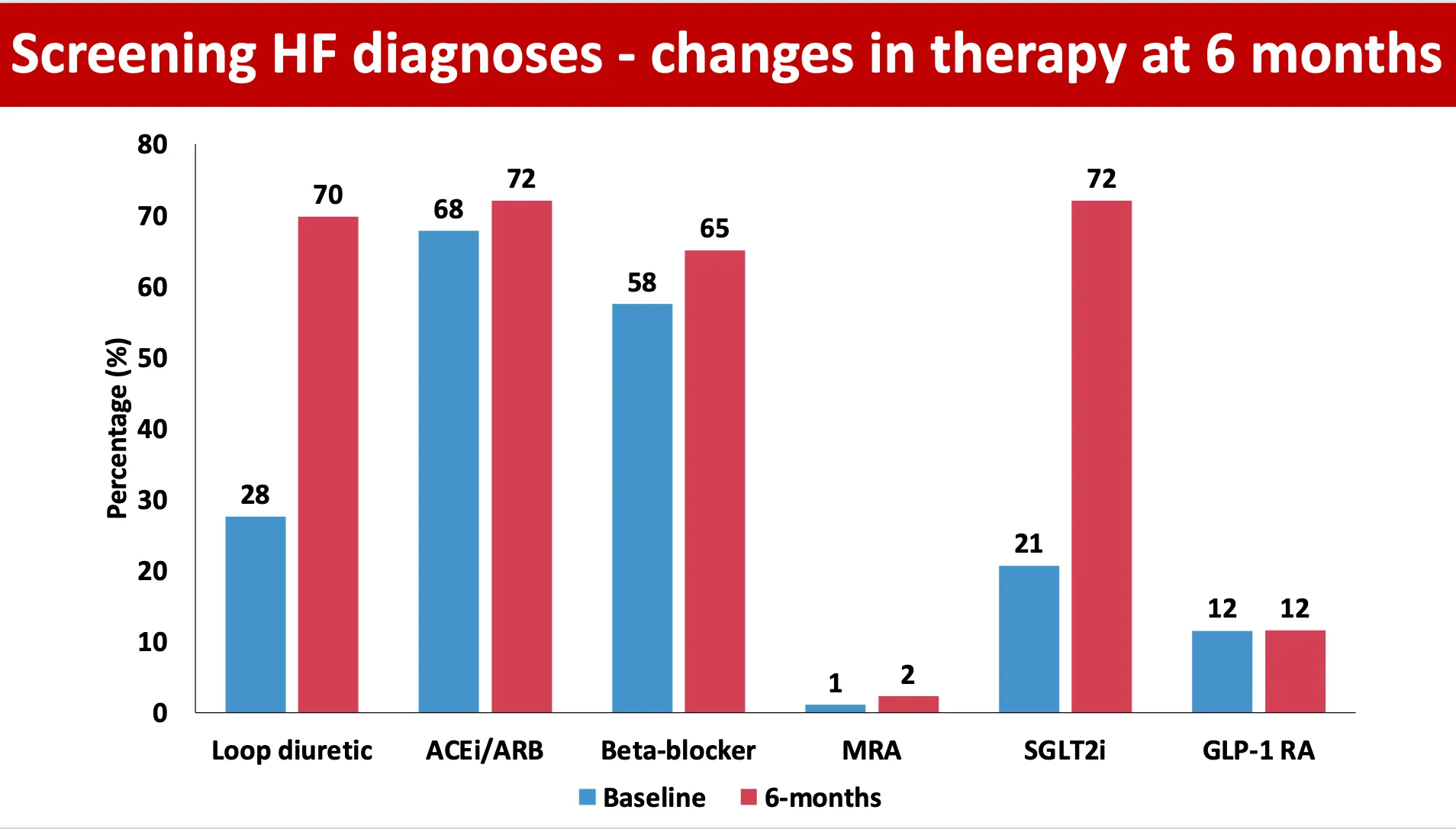
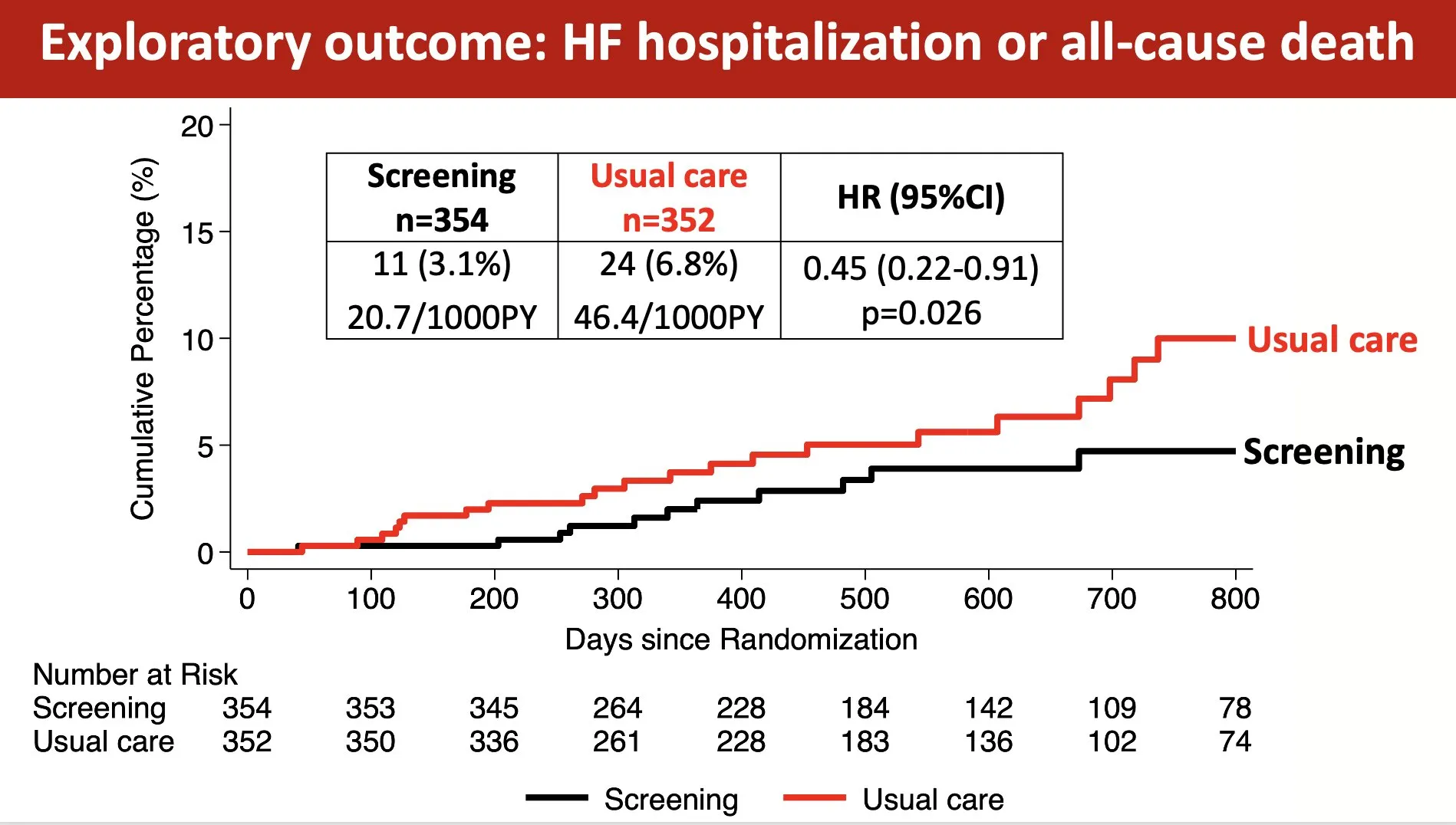
The impact of early detection was clear. Use of guideline-directed medical therapy (GDMT) increased in the screening arm at six months, and screening was associated with a meaningfully lower risk of all-cause death or heart failure hospitalisation over a median follow-up of 18 months.
Looking Ahead – Implementation of NT-proBNP-based Screening
The TARTAN-HF investigators conclude that these data support implementation of NT-proBNP-based screening for unrecognised symptomatic heart failure in patients with diabetes. For a condition this common, this serious, and this detectable, that conclusion carries real weight.
At Us2.ai, we believe earlier detection changes outcomes. We are committed to supporting the science that makes that possible.
Us2.ai and SYMPHONY-HF
Us2.ai is proud to be a partner in SYMPHONY-HF, the international prospective multicentre randomised controlled trial of which TARTAN-HF is the Scottish arm. SYMPHONY-HF is assessing targeted screening strategies to detect undiagnosed heart failure in high-risk patients across five countries: Denmark, Canada, the USA, Sweden, and Scotland.
As findings like these bring NT-proBNP-based screening closer to routine clinical practice, the role of echocardiography in confirming diagnosis and guiding treatment becomes increasingly important. Accessible and accurate cardiac imaging will be central to making population-level screening strategies work in the real world.
TARTAN-HF's results are an important and encouraging first step. As the broader SYMPHONY-HF trial progresses, we look forward to sharing further findings, including insights into the role of AI-powered echocardiography in supporting large-scale heart failure screening.